Intelligence,
made instinctive.
A premium adaptive-interface concept exploring how discreet, non-invasive sensing and local intelligence could help spaces respond to the rhythm of attention.
neural sensing
signal engine
architecture
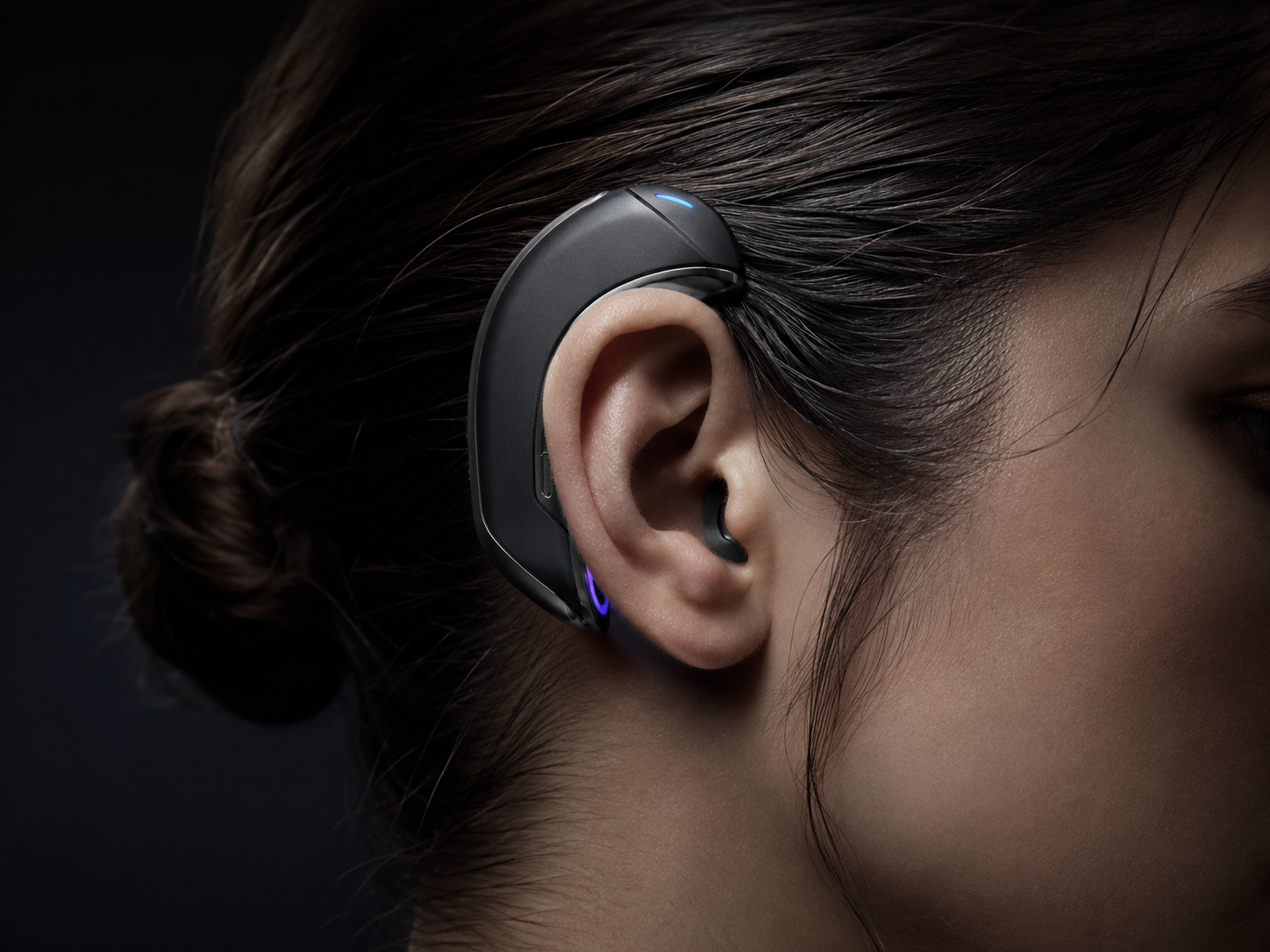
Your best thinking doesn’t arrive on command. Vanta learns the conditions that bring it closer.
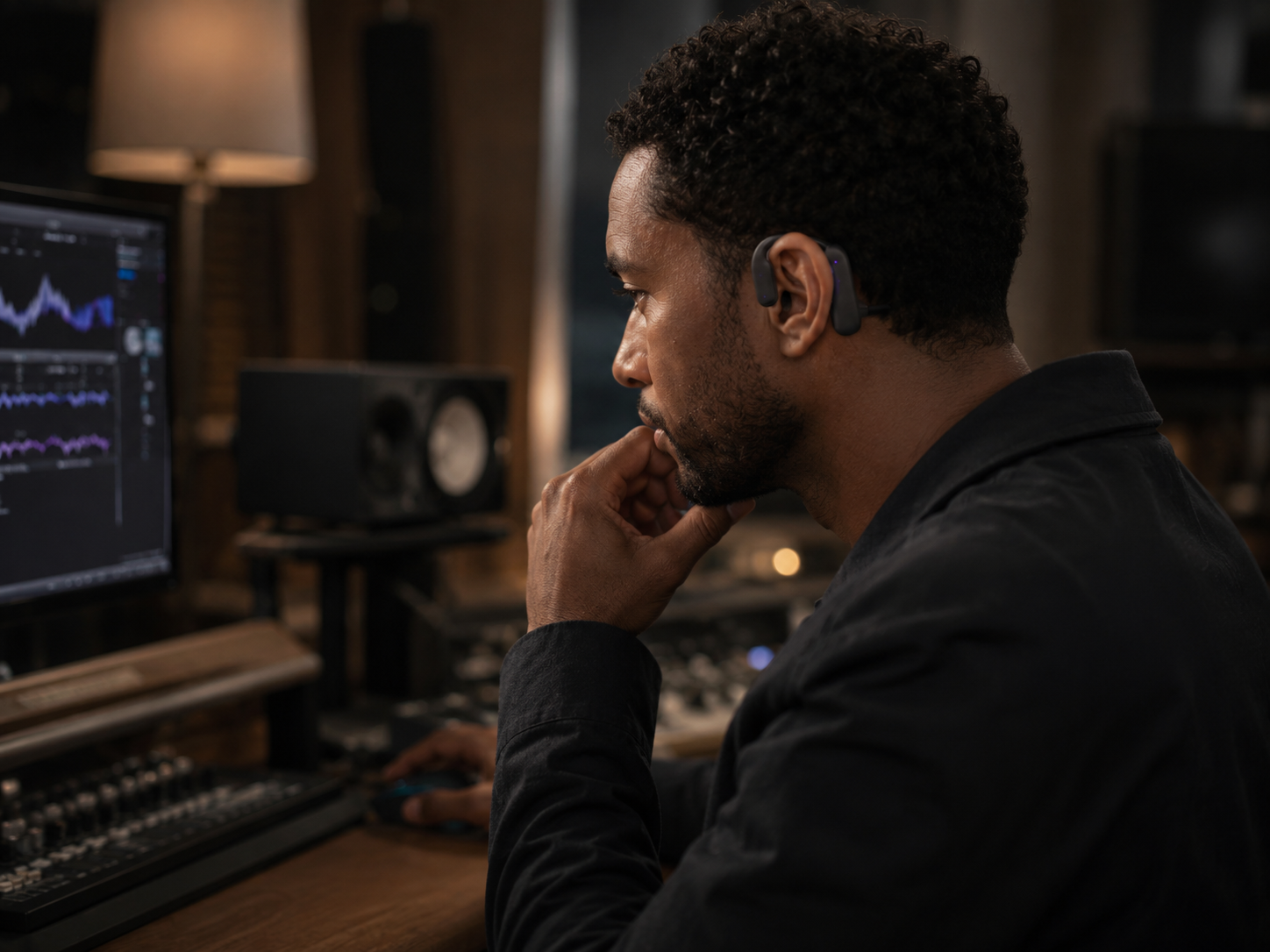
Vanta One is imagined as a quiet wearable layer that reads subtle physiological and neural patterns, learns an individual baseline, and gives the surrounding environment a chance to respond without demanding another screen.
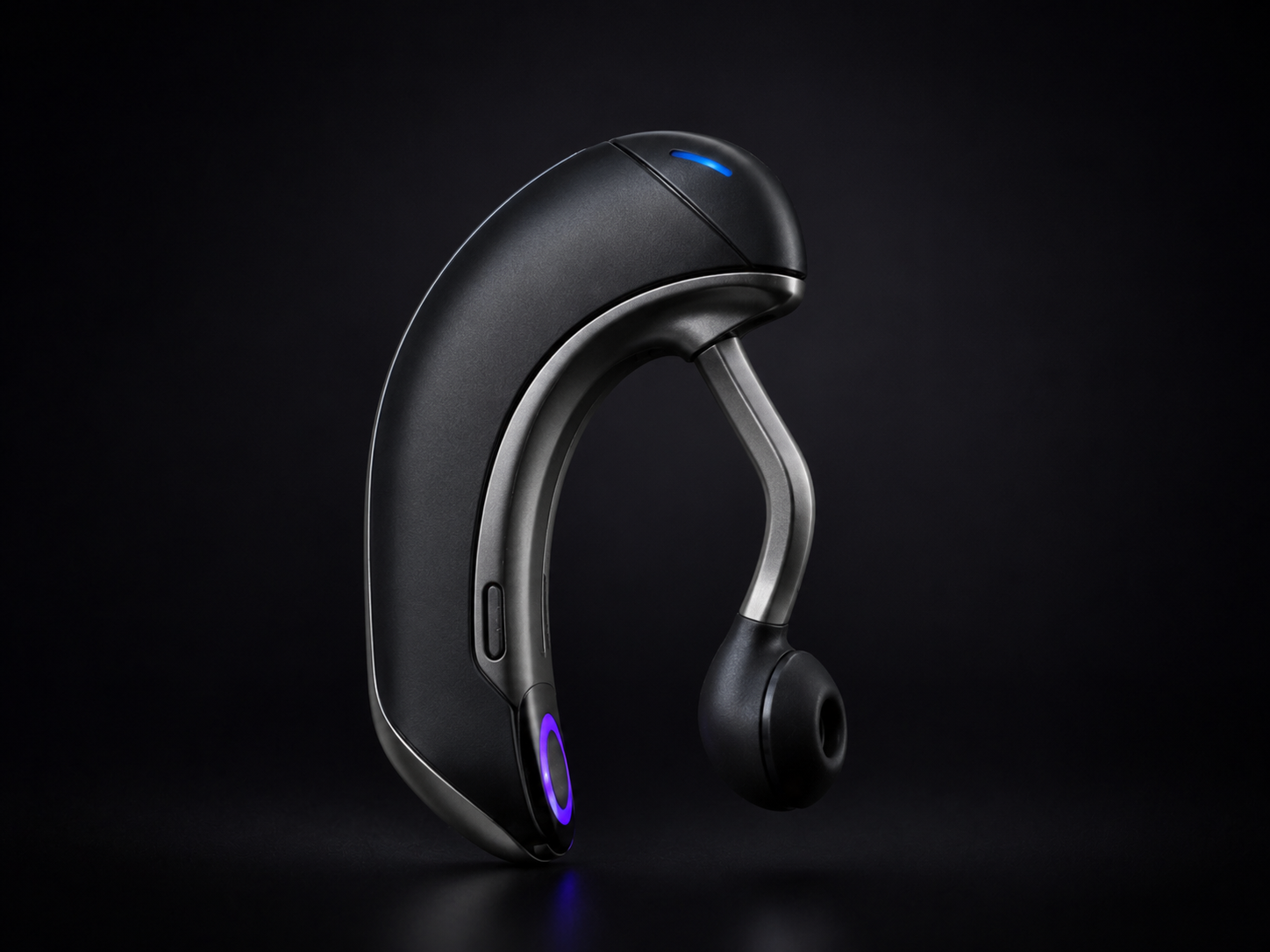
Quiet hardware.
Extraordinary awareness.
The refreshed visual system brings back the original site’s product-first feel: Vanta One should read like believable, premium wearable hardware rather than an abstract technology diagram.
Hardware that looks like it belongs in the world.
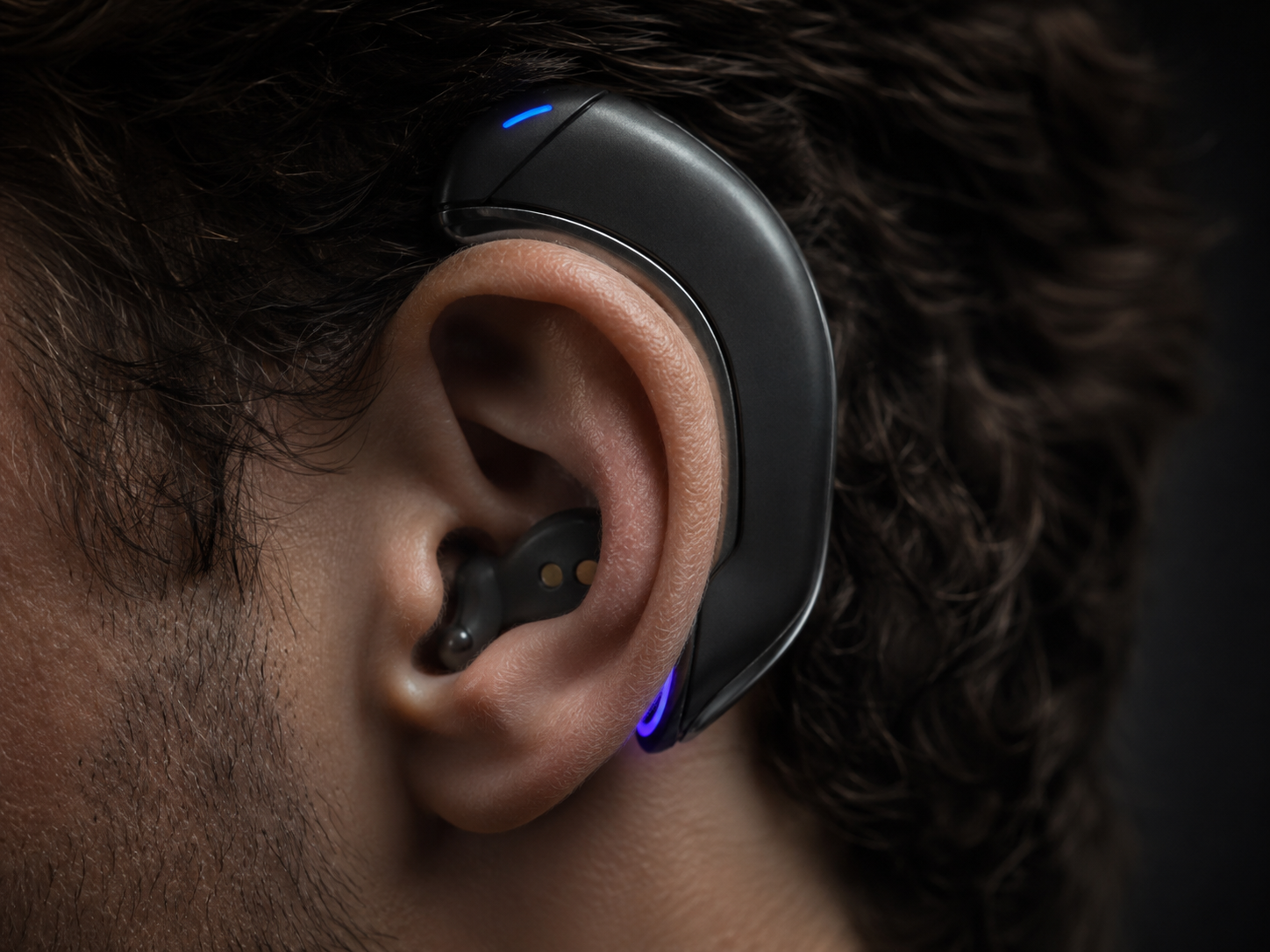
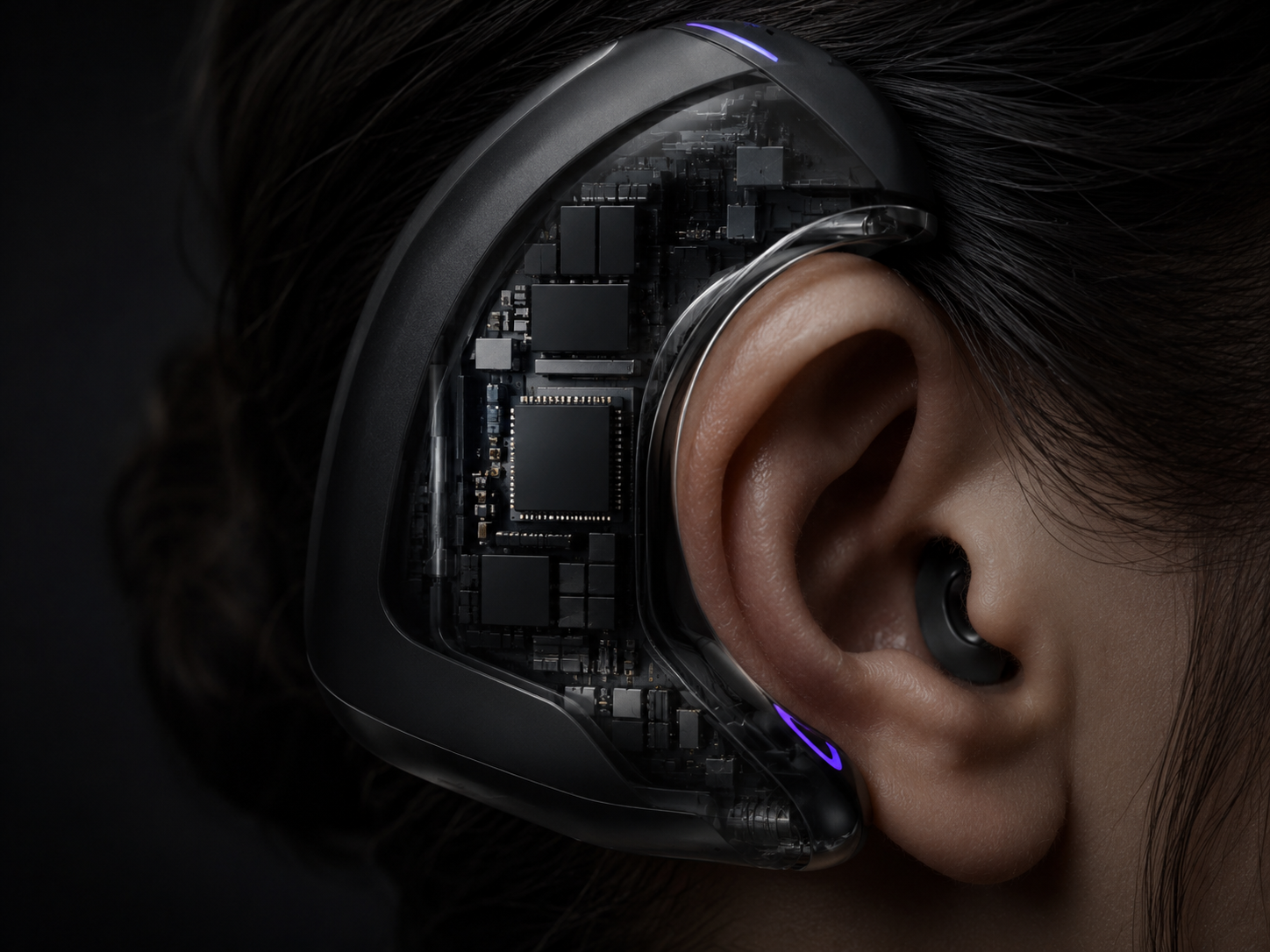
Move through the product archive: on-body fit, industrial form, human testing, sensor contact, and the local-compute concept. These renders are visual design studies, not photographs of shipping hardware.
A low-profile wearable study focused on fit, discretion, and a quiet visual footprint rather than headset-like bulk.
Three layers.
One quiet system.
The technical diagrams remain where they are strongest: explaining the concept stack behind the photorealistic product story—sensing at the body, interpretation on the device, and contextual response around the user.
 01 / SENSE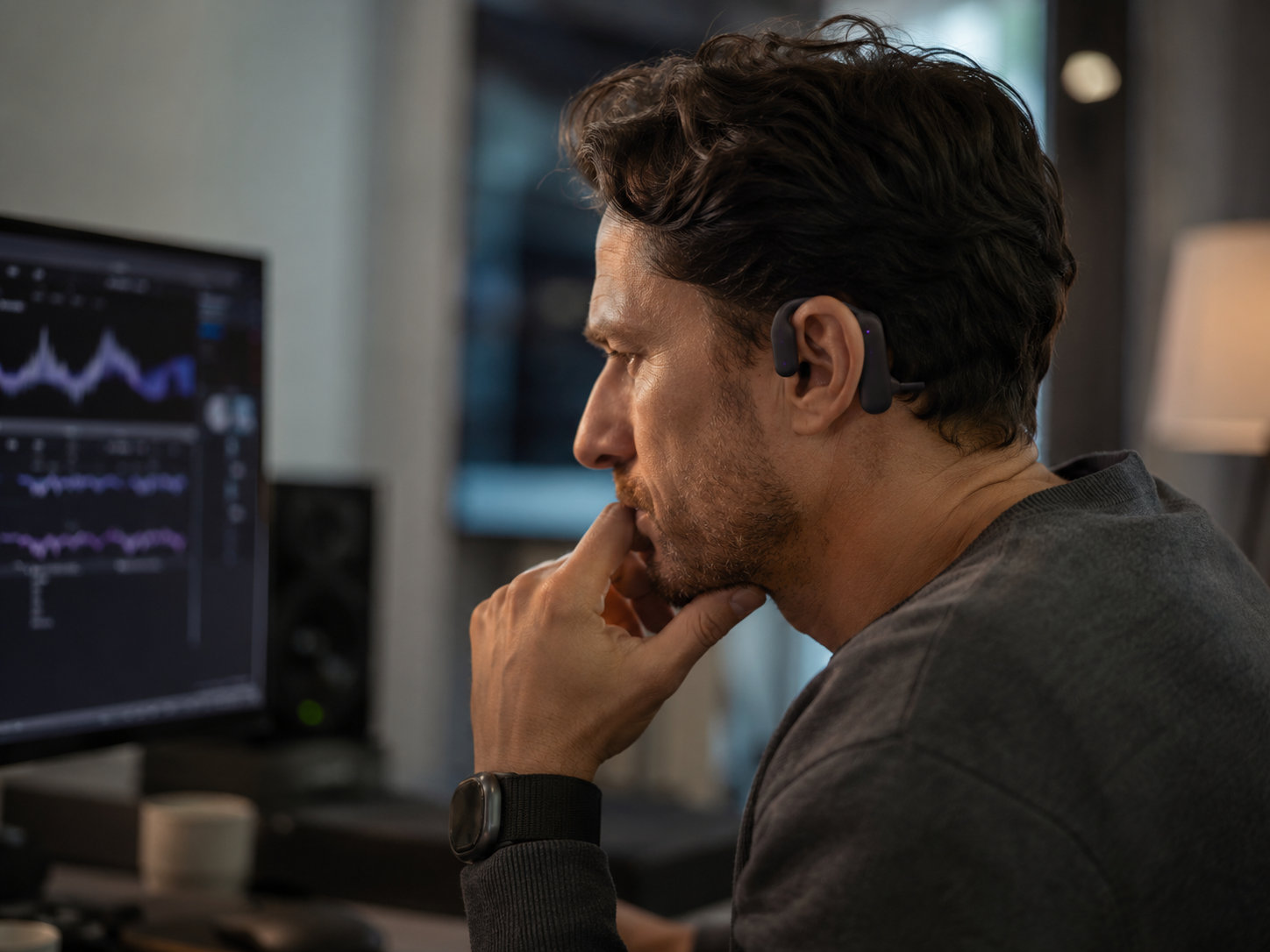
Technology that moves to the edge of awareness.
The product is imagined to stay quiet until context matters—calibrating to the individual rather than asking the individual to constantly operate another interface.
Explore the experience ↗Your state,
in living color.
Switch modes to see how a Vanta environment could respond to different cognitive contexts. This is an interaction demo—not a live neural measurement.
A strong focus window is forming. Ambient interruption control rises while visual noise falls.
One wearable. Different cognitive environments.
Deep work, creative exploration, and recovery are shown as separate visual worlds so the adaptive thesis feels human rather than purely technical.
 ENVIRONMENT PROFILE / 01
Deep work
Reduce interruption and tune the environment around a sustained focus window.

Your mind is not a data source.
The concept is local-first by design: raw neural signals should not become advertising inventory. Vanta’s privacy thesis is that calibration, inference, and erase controls belong with the user.
Raw signal processing is envisioned to remain on-device by default.
The person—not an ad network—owns the model, calibration, and erase controls.
The product should disappear into the environment instead of demanding more screen attention.
Adaptation is based on change relative to the individual rather than a universal productivity score.
Be among the first
to think with Vanta.
Join the private concept-access list for prototype updates, design studies, and future calibration opportunities.